



Georgia Fire Season Isn't Over: Summer Fire Risk for Homeowners in the Atlanta Metro

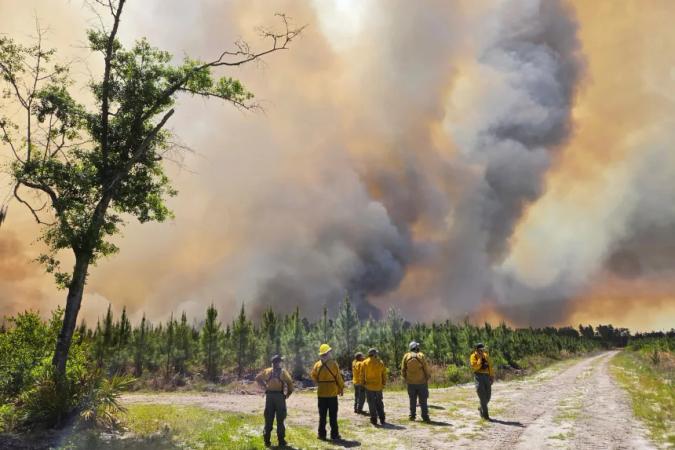
Most Georgians think of wildfire season as a late-winter problem — the kind of thing that affects rural counties in January and fades by April. This year, that assumption is costing homeowners dearly.
As of late May 2026, Georgia has already recorded more than 3,000 fires burning over 83,000 acres — nearly double the number of fires and eight times the acreage compared to the same point in any of the last five years, according to CNN's reporting on data from the Georgia Forestry Commission. That number will likely climb. The National Interagency Fire Center (NIFC) forecasts above-normal significant fire potential for South Georgia and Florida continuing through July, with high drought conditions persisting across the Southeast.
For homeowners in the Atlanta metro — Tucker, Decatur, Norcross, Alpharetta, and surrounding communities — that isn't a distant news story. It's a real threat heading into the hottest months of the year.
Why This Summer Is Different
The conditions driving Georgia's historic fire season didn't materialize overnight. Three factors have converged in an unusually severe way:
A drought that's been building for nearly a year. Thomas Barrett, forest protection chief with the Georgia Forestry Commission, told CNN that the state "has been in a drought, and it's been building since late summer of 2025." Extended dry periods throughout fall and winter left vegetation parched well before the traditional March–May fire window opened.

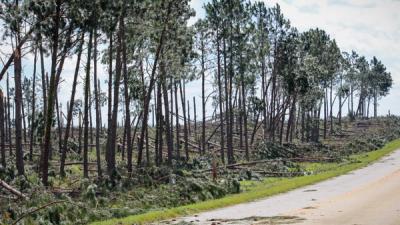
Hurricane Helene debris. The 2024 storm downed approximately 800,000 acres of trees across Georgia and the Southeast. That fallen timber — now dry and dead — has become an enormous source of fire fuel. The Highway 82 Fire and Pineland Road Fire, which together destroyed more than 120 homes in southern Georgia in April, burned through exactly this kind of debris-loaded landscape.
El Niño conditions developing. The Climate Prediction Center estimates a 90% probability that El Niño conditions will develop by late summer, bringing drier, hotter patterns to the Southeast through fall. According to Axios's April 2026 wildfire coverage, the NIFC's outlook warns of above-normal wildfire potential persisting through summer in the Southeast Atlantic coast — meaning the season isn't winding down. It may be peaking.
The NIFC's June outlook, updated in late May, confirms that South Georgia will remain at above-normal significant fire potential through July, with risk expanding into East Texas, Louisiana, and the Gulf Coast as summer progresses.
What This Means for Atlanta-Area Homeowners
Metro Atlanta doesn't have the same concentration of rural wildland interface that South Georgia does. But that doesn't mean fire risk is zero — and the more immediate concern for most homeowners isn't a wildfire reaching their neighborhood. It's what a fire anywhere nearby can do to a home through smoke.
Smoke Damage Travels Far
Wildfire smoke doesn't stay in the woods. Fine particulate matter — the kind measured as PM2.5 — can travel hundreds of miles from a fire source. When smoke settles on a neighborhood for hours or days, it infiltrates homes through HVAC systems, window gaps, and attic ventilation. The result is smoke damage that isn't always visible but is chemically significant.
Smoke-damaged homes often present with:
- Persistent odor embedded in drywall, insulation, flooring, and fabric
- A thin oily or acidic film on surfaces (especially electronics, metals, and cabinets)
- Discoloration on walls, ceilings, and trim
- Elevated indoor air toxins, including volatile organic compounds (VOCs) from burned synthetic materials
This is why many Atlanta homeowners who live nowhere near an active fire still end up needing professional fire and smoke damage cleanup services after a prolonged smoke event.
Structural Fire Risk Is Real Too
Beyond wildfire smoke exposure, the summer months bring elevated risk of residential fires from:
- Grilling and outdoor cooking — the leading cause of residential fires from June through August in Georgia
- Drought-dry landscaping — when mulch, pine straw, and dead grass surround a home's foundation, a single ember can travel from a neighbor's fire pit or a utility spark and ignite it
- HVAC and electrical strain — extreme heat pushes air conditioning systems to work harder, increasing the risk of electrical fires in older wiring and overloaded systems
- Fireworks — peak season runs June through early July, with significant fire-related calls to Georgia fire departments every year
How to Protect Your Home This Summer
You can't control what a drought does to the landscape, but you can meaningfully reduce your home's vulnerability and your family's risk.
Create Defensible Space Around Your Home
This is a concept borrowed from Western wildfire preparation, but it applies here too. The idea is simple: minimize combustible material in the zone immediately surrounding your home.
- Clear dead leaves, pine straw, and dry mulch from within 30 feet of your structure, especially near foundation vents, decks, and attached garages
- Keep grass mowed and watered if possible — dry, brown grass is kindling
- Move firewood piles, propane tanks, and patio furniture away from exterior walls
- Trim tree limbs that overhang the roof
Protect Your HVAC System
During smoke events, your HVAC system becomes a highway for fine particles to enter the home.
- Replace your air filter before summer and check it monthly — a clogged filter forces air to bypass filtration
- Consider upgrading to a MERV-13 or higher rated filter during heavy smoke periods
- If smoke is present outdoors, switch your system to "recirculate" or close the fresh-air intake if your unit has one
- After a prolonged smoke event, have your ducts inspected — smoke residue in ductwork continues to off-gas into your living space
Know the Difference Between Smoke Events and Structural Fire Damage
A smoke event from outdoor wildfire activity and direct structural fire damage require different responses. If your home experiences an actual fire — even a contained kitchen fire or garage fire — the damage almost certainly extends beyond what you can see. Smoke penetrates building materials rapidly, and soot residue is acidic and corrosive. Within 72 hours of a fire, that soot begins permanently staining and etching surfaces. Within days, metals corrode and porous materials absorb odor compounds that become nearly impossible to remove with DIY cleaning.
Understanding why your house still smells like smoke and what it actually takes to fix it — the VOC compounds embedded in walls, not just the air — is important context before attempting any cleanup. What looks like a surface problem almost never is.
Have an Emergency Plan Before You Need One
Fire damage response operates on a tight clock. The steps you take in the first hours after a fire or smoke event directly affect how much of your home's contents and structure can be restored versus replaced. A few things to have ready:
- Your homeowner's insurance policy number and your agent's emergency contact
- A quick-reference checklist of what to do (and not do) after a fire — don't run HVAC to "air out" a smoke-damaged home; it distributes soot deeper into the system
- The number of a 24/7 restoration company you've already vetted, not one you're searching for while standing outside a damaged house
If Your Home Has Fire or Smoke Damage: What Happens Next
Many homeowners are surprised by what a professional fire and smoke damage restoration process actually involves. It isn't cleaning and airing out. It's a structured remediation process that typically includes:
- Assessment and documentation — before anything is touched, a thorough inspection documents the extent of damage for your insurance claim
- Securing the structure — board-up and tarping if there's structural compromise or roof damage from fire suppression efforts
- Soot and smoke residue removal — using HEPA-filtered vacuums, dry chemical sponges, and wet cleaning agents appropriate for each surface type (the wrong cleaner on the wrong surface drives soot deeper)
- Odor neutralization — thermal fogging, hydroxyl generators, or ozone treatment to break down smoke odor compounds at the molecular level, not mask them
- Air quality restoration — air scrubbers with HEPA filtration to bring indoor particle levels down
- Structural repairs and rebuild — drywall replacement, repainting, flooring restoration, and any structural repairs from the fire itself
For a complete picture of the process and timeline, see our full smoke damage restoration timeline, which walks through each phase from the first call to the final walkthrough.
Does Homeowner's Insurance Cover Fire and Smoke Damage?
In most cases, yes — fire and smoke damage from a residential fire is one of the most consistently covered perils in standard homeowner's policies. That said, there are important distinctions:
- Smoke damage from a neighbor's fire or a regional wildfire event may be covered under your dwelling and personal property coverage, but documentation matters — insurers need evidence that the smoke event caused measurable damage to your home specifically
- Wildfire damage is generally covered under standard homeowner's policies, unlike flood damage, which requires a separate policy
- Evacuation and temporary living expenses may be covered under your loss of use provision while restoration work is underway
For a detailed look at how Georgia homeowner's insurance handles damage claims, our post on what Georgia homeowners need to know about insurance and water damage covers the claims process in depth — many of the same principles apply to fire claims, including the importance of working with a restoration company that can document damage thoroughly before cleanup begins.
Serenity Restoration: 24/7 Emergency Response for Fire and Smoke Damage in Georgia
Serenity Restoration serves Tucker, Decatur, Norcross, Alpharetta, and communities throughout the Atlanta metro. Our team is available around the clock for fire and smoke damage assessment and emergency response — because fire damage doesn't wait for business hours.
If your home has experienced fire or smoke damage, or if you have questions about what your policy covers, call us at (678) 648-1294 for a free inspection and consultation.
We've seen what this season is doing to Georgia homes. We're ready to help.
Serenity Restoration is a licensed, certified restoration company based in Tucker, GA, serving greater Atlanta. Learn more about our fire and smoke damage cleanup services or get a free inspection.
Hero image: Georgia Department of Natural Resources / AP