


Restoring Your Sanctuary: A Complete Timeline for Smoke Damage Home Remediation

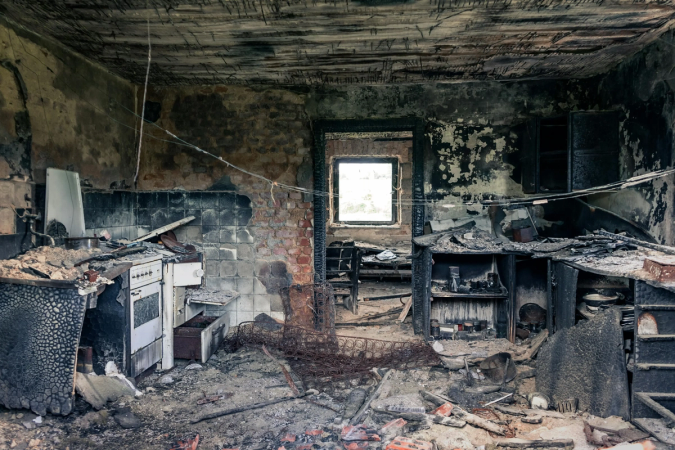
Experiencing a house fire is one of the most devastating events a homeowner can face. Even after the flames are extinguished, smoke damage continues to threaten your property, belongings, and indoor air quality. Soot residue, lingering odors, and hidden moisture can cause long-term structural and health issues if not handled properly.
At Serenity Restoration, we understand that your home is more than a structure — it’s your sanctuary. When that sanctuary is compromised, you need a clear, professional roadmap for recovery.
This step-by-step timeline explains exactly what to expect during the smoke damage home remediation process, so you can move forward with confidence.
The Immediate Aftermath (Hours 1–24): Emergency Response & Damage Control
The first 24 hours after a fire are critical. Once the fire department clears the property for entry, secondary damage begins almost immediately.
Why Fast Action Matters
Smoke residue is acidic. If not treated quickly, it can:
- Etch into glass surfaces
- Corrode metal fixtures
- Permanently stain drywall
- Embed deep into porous materials
- Create persistent smoke odors
This is the moment to contact a professional team specializing in fire and smoke damage cleanup.
Emergency Services You Should Expect
A professional smoke damage restoration company will:
- Perform emergency board-up and tarping
- Secure the property from weather and intruders
- Begin damage assessment
- Stabilize vulnerable areas
If water was used to extinguish the fire, you are also dealing with potential water damage — which requires expertise in both fire and water damage restoration.
Start Your Insurance Documentation
During this phase:
- Take detailed photos of all affected areas
- Document soot patterns and damaged items
- Avoid touching or cleaning surfaces
Attempting DIY cleaning can smear soot and push smoke particles deeper into walls and ceilings. Leave this to professionals equipped with HEPA vacuums and specialized chemical sponges.
Days 1–3: Damage Assessment & Air Quality Stabilization
After the property is secured, the focus shifts to full assessment and stabilization.
Comprehensive Smoke Damage Inspection
Technicians evaluate:
- Structural integrity
- Smoke migration patterns
- HVAC contamination
- Hidden moisture pockets
- Contents damage
If moisture is present, mold growth can begin within 24–48 hours. That’s why professional dehumidification is essential. If mold is suspected, specialized mold removal remediation may be required.
Air Quality Control & Odor Management
Smoke particles are microscopic and easily inhaled. Professional restoration teams deploy:
- Industrial air scrubbers
- Charcoal filtration systems
- Negative air pressure containment
- Dehumidifiers and air movers
These systems remove volatile organic compounds (VOCs) and reduce airborne contaminants, making the property safer to occupy.
Insurance Adjuster Coordination
During this window, your insurance adjuster will likely visit. Having a restoration partner helps streamline the claims process by providing:
- Line-item estimates
- Moisture readings
- Photo documentation
- Detailed remediation scope
If you're unsure about coverage, you may find our guide helpful: Does Homeowners Insurance Cover Water Damage? A Guide for Georgia Residents
Days 3–7: Deep Cleaning & Soot Removal
Once stabilization is complete, the intensive cleaning process begins.
Not all smoke damage is the same. The type of soot depends on what burned.
Types of Smoke Residue
Wood – Produces dry, powdery soot. Best cleaned using HEPA vacuuming and dry cleaning sponges.
Plastics – Create thick, smeary residue. Requires wet chemical cleaning methods.
Synthetic fabrics – Leave behind oily soot. Treated with alkaline neutralization solutions.
Kitchen fires – Produce protein residue. Removed using specialized odor treatment techniques.
Cleaning Smoke Damage Walls
Professional technicians use a top-down cleaning method:
- HEPA vacuum loose debris
- Apply chemical sponges
- Neutralize acidic soot
- Treat and seal affected areas if needed
Improper cleaning can permanently stain paint or trap odors in drywall.
HVAC System Decontamination
In a smoke damaged home, your HVAC system acts like a distribution network for soot.
Professional remediation includes:
- Duct cleaning
- Filter replacement
- System sanitization
Without this step, soot will continue circulating throughout the house once the system restarts.
Contents Cleaning & Pack-Out Services
Salvageable items are carefully inventoried and transported to a climate-controlled facility for:
- Ultrasonic cleaning
- Ozone deodorization
- Textile restoration
- Electronics cleaning
This meticulous approach separates professional restoration from general contractors.
Weeks 1–3: Odor Neutralization & Structural Repairs
Even after surfaces look clean, smoke odor can linger deep inside materials.
Advanced Odor Removal Techniques
Professionals may use:
- Thermal fogging
- Ozone treatment
- Hydroxyl generators
- Sealing primers
These methods neutralize odor at a molecular level — not just mask it.
Structural Repairs Begin
Once cleaning is complete, reconstruction may include:
- Drywall replacement
- Insulation removal
- Flooring restoration
- Cabinet rebuilding
- Interior painting
If significant rebuilding is required, our construction services ensure the transition from cleanup to full restoration is seamless.
Weeks 3–6: Reconstruction & Final Restoration
At this stage, your home moves from remediation to full rebuild.
What Reconstruction May Include
- Replacing damaged framing
- Installing new flooring
- Repainting entire rooms
- Reinstalling cabinetry
- Restoring trim and molding
The goal is not just repair — it’s restoring your home to pre-loss condition or better.
Why Professional Smoke Damage Restoration Is Essential
DIY cleanup may seem cost-effective, but improper remediation can lead to:
- Lingering smoke odor
- Health issues
- Mold growth
- Structural weakening
- Insurance claim denial
Certified restoration professionals follow industry standards and safety protocols to ensure complete recovery.
Frequently Asked Questions About Smoke Damage Remediation
How long does smoke damage restoration take?
Most projects take 2–6 weeks depending on severity, size of the home, and reconstruction needs.
Is it safe to stay in a smoke damaged home?
In most cases, no. Airborne soot particles can pose respiratory risks until proper filtration and cleaning are completed.
Does homeowners insurance cover smoke damage?
Typically yes, but coverage depends on policy details. Always consult your provider and document everything.
Can smoke odor ever fully go away?
Yes. With professional odor neutralization techniques like ozone and thermal fogging, smoke smell can be eliminated permanently.
What should I avoid doing after a fire?
- Do not wash walls
- Do not turn on HVAC
- Do not use household cleaners
- Do not disturb soot-covered areas
How quickly should I call a restoration company?
Immediately. The first 24–48 hours are critical in preventing permanent damage.
Final Thoughts: Restoring Peace of Mind After Smoke Damage
A fire disrupts more than walls and ceilings — it disrupts your life. But with the right restoration partner, recovery is possible.
From emergency board-up to final reconstruction, a structured smoke damage remediation timeline ensures every detail is handled with precision and care.
At Serenity Restoration, we’re committed to helping Georgia homeowners reclaim their sanctuary safely, efficiently, and professionally.
If your home has experienced smoke damage, don’t wait. Early intervention makes all the difference.