



Severe Storms Hit North Georgia: What to Do If Your Home Has Water or Hail Damage

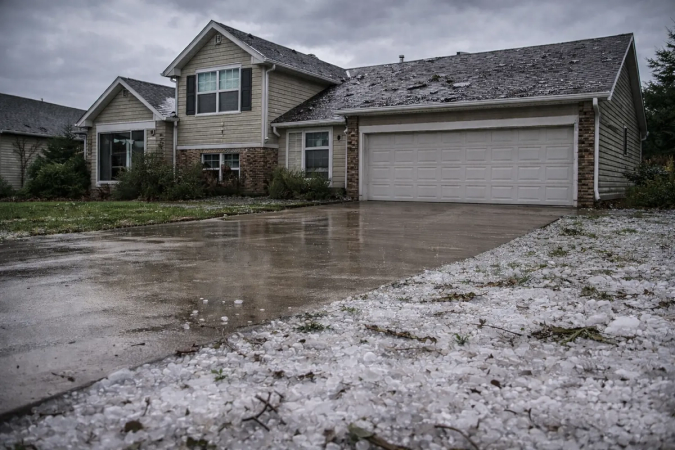
On the evening of February 26, a powerful line of severe thunderstorms tore through North Georgia, bringing damaging hail, heavy rainfall, and dangerous road conditions to communities across the region. According to Link Brokenreportedly-seeing-hail-severe-thunderstorm-moves-through/), severe thunderstorm warnings were issued for Dawson, Fannin, Gilmer, Lumpkin, and Pickens counties, with residents across the area reporting hail ranging from pea-sized to ping pong ball-sized stones. The Pickens County Emergency Management Agency confirmed that Highway 136 east of Jasper became impassible due to hail accumulation, and EMA Director Robby Westbrook called it "likely a very damaging severe weather event."
The damage didn't stop with hail. The National Weather Service issued a Flood Warning for Peachtree Creek at Buford Highway in Atlanta, with the river expected to crest at approximately 13.5 feet — above the 13-foot flood stage. Minor flooding was forecast in residential areas including Victory Drive, Dunwoody Place, and Converse Drive. Heavy rain and thunderstorms continued through Friday morning, and this all comes on the heels of an already punishing winter — Georgia saw two separate state of emergency declarations in January alone due to back-to-back winter storms.
For homeowners across metro Atlanta and North Georgia, the question right now isn't whether damage occurred — it's whether you know what to do about it. Here's what you need to know.
Hail Damage Is Often Worse Than It Looks
When most people think of hail damage, they think of dented cars. But hail — especially in the ping pong ball range reported across Pickens and Gordon counties — can do serious damage to your home's exterior. Roof shingles can crack, bruise, or lose their protective granule layer, creating weak points that allow water to seep in during future rain events. Siding can crack or puncture. Gutters can dent and pull away from the fascia, disrupting drainage and sending water where it shouldn't go.
The problem is that much of this damage isn't obvious from the ground. A roof that looks fine from your driveway may have dozens of impact points that will turn into leaks over the coming weeks and months. And once water starts getting in, the clock starts ticking on mold growth — which can begin in as little as 24 to 48 hours in Georgia's humid climate.
If your property was anywhere near the hail core that moved through North Georgia on February 26, it's worth having your roof and exterior inspected sooner rather than later. Catching damage now — before the next round of spring storms — can save you from a much larger problem down the road.
Water Damage Demands Immediate Attention
Flooding from heavy rain, whether it enters through a compromised roof, an overwhelmed gutter system, or rising water near creeks and low-lying areas, requires fast action. Standing water and saturated materials are the primary drivers of secondary damage — warped flooring, swollen drywall, damaged insulation, and mold growth that spreads behind walls where you can't see it.
The first 24 to 48 hours after water intrusion are critical. During that window, you have the best chance of drying out your home and preventing mold from taking hold. After that, the situation becomes significantly more complex and more expensive to resolve. As the EPA notes, the key to mold control is moisture control — and the only way to truly control moisture after a storm is to act quickly and thoroughly.
If your home has taken on water from this week's storms, here's what to do right now:
- Stop the source if possible. If water is entering through a known point — like a broken window or visible roof leak — do what you can safely to contain it with tarps or towels.
- Document the damage immediately. Take photos and video of standing water, wet materials, damaged ceilings, and any visible exterior damage before you begin any cleanup. This documentation is essential for your insurance claim.
- Remove standing water. Use a wet-dry vacuum, towels, or a mop to extract as much water as you can. Open windows and run fans to promote airflow if weather permits.
- Do not use your HVAC system if it may have been affected by flooding. Running a contaminated system can spread mold spores throughout your entire home.
- Move wet items out of the house. Waterlogged rugs, furniture, and clothing should be moved outside to dry or disposed of. Porous materials that remain wet become mold breeding grounds quickly.
- Call a professional restoration company. What appears dry on the surface often isn't. Moisture hides in wall cavities, under flooring, and in insulation — places a homeowner can't effectively reach without specialized equipment like thermal imaging cameras and industrial dehumidifiers.
If you've been through water damage before, you may recall how important it is to understand what category of water you're dealing with. Stormwater that enters from outside is often considered Category 2 or Category 3 water, which carries contaminants and requires more aggressive cleanup protocols than a clean pipe burst.
Don't Overlook the Insurance Process
Georgia homeowners dealing with storm damage should contact their insurance company as soon as possible. Most standard homeowners policies cover sudden and accidental damage from events like hail and wind-driven rain. However, as we discussed in our recent guide on whether homeowners insurance covers water damage, the details of your policy — and how quickly and thoroughly you document the damage — can make or break your claim.
A few things to keep in mind as you navigate the process:
- Your policy likely requires you to mitigate further damage. This means taking reasonable steps to prevent the situation from getting worse — like tarping a damaged roof or extracting standing water. Failing to do so can give your insurer grounds to reduce or deny your claim.
- Keep every receipt. If you buy tarps, rent a dehumidifier, or stay in a hotel because your home is uninhabitable, save the receipts. These costs may be reimbursable under your policy.
- The adjuster works for the insurance company, not for you. Having your own professional restoration estimate provides leverage if there's a discrepancy in what the insurance company offers.
It's also worth noting that home insurance premiums are projected to rise approximately 8% in 2026, driven in part by climate-related claims and increased rebuilding costs. Working with a restoration company that understands the insurance process — and can provide the documentation adjusters require — helps protect your claim and your coverage going forward.
Why Spring Storms in Georgia Demand Extra Vigilance
Last night's storms are a reminder that Georgia's severe weather season is just getting started. The National Weather Service designated the first week of February as Georgia Severe Weather Preparedness Week, and historical data shows that the most active period for severe weather in the state runs from March through May. With the ground already saturated from weeks of winter precipitation and last night's heavy rainfall, future storms will have an even easier time causing flooding and water intrusion.
This is especially true for homeowners whose properties took damage during January's winter storms. If your home had a roof leak, burst pipe, or ice dam that wasn't fully addressed, the structural vulnerabilities from that event may now be compounding with new storm damage. Moisture that's been sitting in walls or crawl spaces for weeks is an ideal environment for mold — and adding more water on top of it accelerates the problem dramatically.
If you had damage earlier this winter, our posts on steps to avoid ice damming and roof leaks and our homeowners guide to emergency water restoration (https://serenityrestoration.com/blog/homeowners-guide-to-emergency-water-restoration) cover what to look for and when to call for help.
Serenity Restoration Is Here When You Need Us
At Serenity Restoration, we've been helping Georgia homeowners recover from storms, floods, and water damage for years — and we know how stressful it is when your home is suddenly at risk. Our team is available 24 hours a day, 7 days a week, and we respond quickly because we understand that every hour matters when water is involved.
We handle every phase of the recovery:
- Water damage restoration — extraction, structural drying, moisture detection, and dehumidification
- Mold removal and remediation — identifying, containing, and eliminating mold before it spreads
- Fire and smoke damage cleanup — for homes affected by lightning strikes or storm-related electrical fires
- Construction and rebuild — structural repairs and full restoration to pre-loss condition
We also coordinate directly with your insurance company, so you're not stuck playing middleman during an already difficult time. From the first call to the final walkthrough, we keep you informed every step of the way.
If your home was affected by last night's storms, don't wait.
Call Serenity Restoration at (678) 648-1294 anytime, day or night.
The Bottom Line
The severe storms that hit North Georgia on February 26 caused real damage — from hail-battered roofs in Pickens County to flooding along Peachtree Creek in Atlanta. And with more spring storms on the way, the damage from last night could get worse if it isn't addressed quickly. The 24- to 48-hour window after water intrusion is your best opportunity to prevent mold, protect your home's structure, and preserve your insurance claim.
Take action now. Document the damage, contact your insurance provider, and call a restoration professional who can assess what's happening behind the walls, under the floors, and in the places you can't see. Your home — and your peace of mind — are worth it.
Sources & Resources
- Atlanta News First — Many in North Georgia Reportedly See Hail as Severe Thunderstorm Moves Through (Feb. 26, 2026)
- National Weather Service — Flood Warning for Peachtree Creek at Buford Hwy, Atlanta (Feb. 26, 2026)
- NWS Atlanta — Georgia Severe Weather Preparedness Week (Feb. 2–6, 2026)
- Governor Kemp — State of Emergency Ahead of Winter Storm (Jan. 22, 2026)
- Governor Kemp — Second State of Emergency for Winter Storm (Jan. 30, 2026)
- EPA — A Brief Guide to Mold, Moisture and Your Home