Does Homeowners Insurance Cover Water Damage? A Guide for Georgia Residents
For many homeowners in the Peach State, the question of does homeowners insurance cover water damage is one that often arises only after a crisis has occurred. Whether it is a burst pipe in the middle of a cold Atlanta winter or a sudden leak from a failing appliance, understanding the nuances of your policy is critical. Navigating a water damage insurance claim can be a complex and stressful process, especially when you are already dealing with the physical destruction of your property. This guide is designed to help Georgia residents understand their coverage, learn how to get insurance to pay for water damage, and find the right professionals for home restoration in Georgia.
Understanding the Basics: What is Typically Covered?
In general, most standard homeowners insurance policies in Georgia cover water damage that is considered sudden and accidental. This means that if a pipe bursts unexpectedly, your insurance will likely help cover the costs of the water damage restoration. However, the distinction between sudden damage and gradual damage is where many homeowners find themselves in a difficult position. Insurance companies are often hesitant to pay for issues that they deem to be the result of poor maintenance or long-term wear and tear.
When asking if homeowners insurance cover water damage, you must look at the source. Common covered perils include frozen pipes that burst (a common issue discussed in our blog on frozen pipes), overflowing bathtubs, or a dishwasher line that suddenly snaps. In these instances, the immediate damage to your floors, walls, and personal belongings is usually covered under your dwelling or personal property protection. If the damage is severe enough to make your home uninhabitable, your policy may also include Loss of Use coverage, which helps pay for temporary housing while water damage restoration experts work on your home.
The Critical Difference Between Water Damage and Flood Damage
One of the biggest misconceptions among Georgia residents is that standard homeowners insurance covers all types of water intrusion. This is not the case. There is a massive legal and financial difference between water damage and flood damage. Standard policies specifically exclude flooding caused by external natural forces, such as rising rivers, heavy rain runoff, or storm surges. To protect your home against these events, you must purchase a separate flood insurance policy through the National Flood Insurance Program (NFIP) or a private insurer.
If you are facing a water damage insurance claim following a heavy storm, the adjuster will look closely at how the water entered the home. If the water came from the ground up, it is likely considered a flood. If the water came from the top down—such as rain entering through a hole in the roof caused by a fallen tree—it may be covered under your standard policy. Understanding these distinctions is the first step in knowing how to get insurance to pay for water damage effectively. For those in the metro Atlanta area, seeking professional water damage restoration services immediately can help document these differences for your adjuster.
How to Get Insurance to Pay for Water Damage: A Step-by-Step Guide
Knowing how to get insurance to pay for water damage requires a proactive and organized approach. The moment you discover a leak, your priority should be to mitigate further damage, as insurance policies require homeowners to take reasonable steps to prevent the situation from worsening. Start by shutting off the main water valve and contacting a professional for home restoration in Georgia to begin the drying process.
- Document Everything: Before you start cleaning up, take high-quality photos and videos of the standing water and the affected areas. This evidence is vital for your water damage insurance claim.
- Contact Your Agent Immediately: Report the claim as soon as possible. Georgia policies often have strict timelines for reporting losses.
- Keep Damaged Items: Do not throw away damaged furniture or electronics until an adjuster has seen them. They serve as proof of your loss.
- Track All Expenses: Keep receipts for everything, from the fans you rented to the hotel stay if you had to evacuate.
When you work with a reputable company for water damage restoration in Atlanta, they can often assist with the documentation process. They understand the language adjusters use and can provide the necessary moisture maps and drying logs to prove the extent of the damage. This professional backing is often the key to ensuring your water damage insurance claim is approved for the full amount needed for a complete recovery.
Common Exclusions and Red Flags
While we have established that sudden leaks are usually covered, there are several scenarios where the answer to does homeowners insurance cover water damage is a resounding no. Negligence is the primary reason claims are denied. For example, if a pipe has been slow-dripping for six months and you ignored the mold growth and rotting wood, the insurance company will likely argue that the damage was preventable. This highlights the importance of regular services and home maintenance.
Other common exclusions include sewer backups (unless you have a specific rider for this), sump pump failures, and intentional acts. Furthermore, the cost of repairing the actual appliance or pipe that broke is often not covered; the insurance pays for the damage caused by the water, not the plumbing repair itself. If you find yourself dealing with secondary issues like fungus, you may need to consult a specialist in mold removal and remediation, as many policies have very low limits for mold coverage.
The Importance of Professional Home Restoration in Georgia
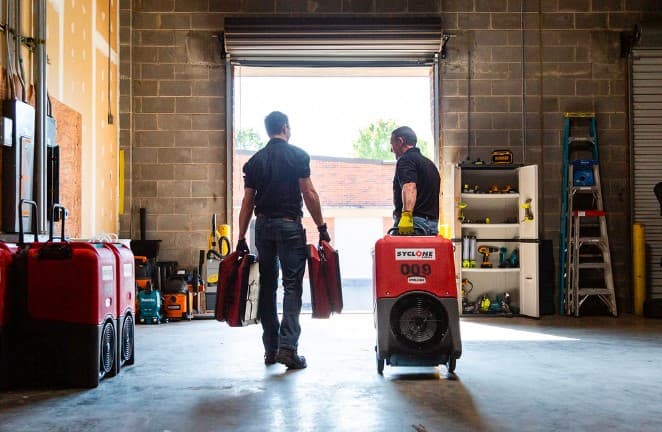
Georgia's climate, characterized by high humidity and fluctuating temperatures, makes the restoration process particularly challenging. Water doesn't just sit on the surface; it seeps into drywall, insulation, and subflooring. Without professional home restoration, you risk long-term structural issues and health hazards. A professional team will use industrial-grade dehumidifiers and air movers to ensure the environment is truly dry, not just dry to the touch.
Choosing a local expert for water damage restoration ensures that the technicians are familiar with the specific building codes and environmental factors of the region. Whether you are in a historic home in Midtown or a modern build in Alpharetta, the approach must be tailored to the property's specific needs. Furthermore, professional restorers can identify the category of water involved, which dictates the safety protocols required during the cleanup process.
Navigating the Claims Process with Confidence
The water damage insurance claim process can feel like a second job. After the initial filing, an adjuster will be assigned to your case to estimate the cost of repairs. It is important to remember that the adjuster works for the insurance company, not for you. This is why having your own estimates from a trusted restoration firm is so beneficial. If there is a discrepancy between the insurance company's estimate and the actual cost of the home restoration, you have the right to negotiate.
To successfully navigate getting insurance to pay for water damage, stay in constant communication with your claims handler. Ask for clarification on your deductible and how it will be applied. In Georgia, most policies have a standard deductible, but some may have separate deductibles for wind or hail damage. Being informed and persistent is the best way to ensure your home is returned to its pre-loss condition without unnecessary out-of-pocket expenses.
Protecting Your Georgia Home
In summary, while the question does homeowners insurance cover water damage usually results in a yes for sudden accidents, the details of your specific policy and your response to the event matter immensely. From the initial discovery to the final stages of a water damage insurance claim, every step you take should be documented and deliberate. By understanding how to get insurance to pay for water damage and partnering with experts in your area, you can protect your investment and your family's well-being.
Don't wait for a disaster to understand your coverage. Review your policy today, consider adding riders for sewer backup or increased mold limits, and keep the contact information for a reliable restoration specialist handy. At Serenity Restoration, we are committed to helping our neighbors navigate these difficult times with professional expertise and comprehensive restoration solutions. Whether you are dealing with the aftermath of a storm or a plumbing failure, we are here to restore your property and your peace of mind.