



Storm Damage Restoration in Georgia: What to Do + Insurance Coverage

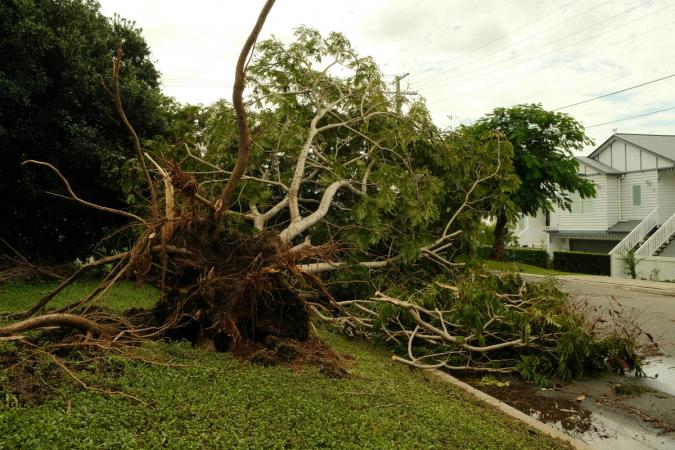
A storm can change your home in minutes. What looks like surface-level damage — a few missing shingles, some scattered branches, a cracked window — is often the beginning of a more serious problem that unfolds over the hours and days that follow.
At Serenity Restoration, we respond to storm and wind damage calls across the greater Atlanta metro every week. What we see consistently is that the homeowners who fare best are the ones who understand what they're dealing with, what their insurance actually covers, and when to pick up the phone.
This guide is written for Georgia homeowners who want those answers before the next storm hits — or who are standing in their yard right now wondering where to start.
What Wind and Storm Damage Actually Looks Like — and Why It's Often Worse Than It Appears
The most dangerous thing about wind and storm damage is how deceptive it is from the outside.
A roof that looks fine from the ground may have damaged flashing, lifted shingles, or compromised underlayment that won't be visible until the next rainfall soaks your attic insulation. A wall that seems intact may have a breach at the soffit line that is already channeling water into your wall cavity. A tree that came down near your foundation may have cracked a footer or shifted drainage in a way that won't manifest as a problem for weeks.
The Three-Phase Pattern of Storm Damage
Wind and storm damage almost always follows a predictable escalation:
Phase 1 — The visible event. Wind, hail, or fallen debris causes identifiable damage to the exterior: roofing, windows, siding, gutters, fencing.
Phase 2 — Water intrusion. Any breach in the building envelope becomes a water entry point. This happens fast — sometimes within hours of the storm if rain follows.
Phase 3 — Secondary damage. Wet insulation, wet framing, and saturated drywall create the conditions for mold growth within 24 to 48 hours, according to the EPA's guidance on mold prevention. What started as a $3,000 roofing claim can become a $25,000 water and mold remediation project if phase 3 is not interrupted quickly.
Georgia's climate — hot, humid summers and frequent afternoon thunderstorms — accelerates this cycle. The time between storm damage and mold onset is shorter here than in most of the country.
The Immediate Steps to Take in the First Hour After Storm Damage
When a storm has damaged your home, the order in which you act matters.
Step 1: Prioritize safety before property
Do not re-enter a structure if there is visible structural compromise, downed power lines nearby, or active gas odor. Call 911 if there is any immediate safety risk.
Step 2: Document everything before touching anything
Before you move debris, tarp a roof, or clean up inside, photograph and video every area of visible damage. Walk the full perimeter. Take wide shots and close-up shots. This documentation is the foundation of your insurance claim, and it is infinitely easier to capture before cleanup begins than after.
Step 3: Mitigate further damage where you safely can
Homeowners have a legal obligation under most Georgia insurance policies to take reasonable steps to prevent additional damage. This typically means:
- Placing tarps over roof breaches to stop water intrusion
- Boarding broken windows
- Moving undamaged personal property away from areas where water may continue to enter
This is mitigation, not permanent repair. Do not make permanent repairs until your insurance adjuster has inspected the damage.
Step 4: Call your insurance company
Report the claim promptly. Most Georgia homeowner policies require timely notice of loss. Ask your insurer whether they want you to wait for an adjuster before hiring a restoration contractor, or whether you have authorization to proceed immediately.
Step 5: Call a certified restoration company
If there is any water intrusion, structural compromise, or reason to believe damage extends beyond what is visible at the surface, call a restoration company. Serenity Restoration is available 24/7 at (678) 374-6970 and can begin emergency response immediately.
What Georgia Homeowners Insurance Typically Covers — and What It Doesn't
What is generally covered
A standard Georgia HO-3 homeowners policy covers sudden and accidental damage caused by named perils, including:
- Wind and hail damage to the roof, siding, windows, and exterior structures
- Falling objects (trees, limbs) that damage the structure
- Water intrusion that results directly from a storm-caused roof or wall breach
- Debris removal up to the limits specified in the policy
The Georgia Department of Insurance publishes consumer guidance on homeowners coverage that is worth reviewing before you file a claim.
What is typically not covered
- Flood damage — rising water from storms, overflowing streams, or storm surge is explicitly excluded from standard homeowners policies. Flood coverage requires a separate NFIP policy or private flood insurance.
- Gradual damage — damage that worsened over time due to a lack of maintenance (old roofing, chronic leaks) is generally excluded even if a storm ultimately triggered the failure.
- Mold from delayed remediation — some policies exclude mold coverage if the policyholder failed to act promptly after the water event that caused it.
Working with your adjuster
If your claim is denied or you believe the settlement undervalues the damage, you have the right to request a re-inspection or hire a public adjuster. Serenity Restoration works directly with insurance companies and can help document damage comprehensively from the restoration side.
The Hidden Cascade: How Wind Damage Leads to Water Intrusion and Mold
This is the sequence that catches Georgia homeowners off guard most often.
A storm lifts a section of roofing felt and loosens several shingles. The gap is small — maybe six square feet — and from below the ceiling looks dry. Rain follows the storm. Water enters at the breach, saturates the insulation, and runs along the top of the ceiling drywall before draining through a seam. By the time moisture appears as a stain on the ceiling, the insulation is fully wet and the drywall above it has been damp for days.
The CDC notes that mold growth can begin on wet building materials within 24 to 48 hours. In Georgia's humidity, this window is often shorter.
This is why professional water damage restoration after a storm is not about the water you can see — it's about the moisture that thermal imaging and professional moisture meters detect inside your walls and ceiling cavities.
When to DIY vs. When to Call a Certified Restoration Company
Not every storm situation requires professional intervention. Here is a practical framework.
You can likely handle it yourself if:
- A single window cracked and no water entered
- A small section of guttering came loose and no water intrusion occurred
- Minimal debris landed on the property with no structural contact
Call a certified restoration company if:
- Any part of the roof or exterior wall was breached and rain followed
- You see any moisture, water staining, or discoloration on interior ceilings or walls
- A tree or large object made contact with the structure
- You smell mustiness or anything unusual inside after the storm
- The damage is extensive enough to involve an insurance claim
The IICRC, the professional standards body for the restoration industry, sets the certification standards that govern how professional restoration companies handle water intrusion and structural drying. Serenity Restoration's team is IICRC certified and responds to storm damage across metro Atlanta within hours.
How Serenity Restoration Handles Storm and Wind Damage
When you call us after storm damage, here is what happens:
Immediate response. We dispatch within hours of your call, 24 hours a day, 7 days a week. Our first priority is to stabilize the situation — tarping, boarding, and containing any active water intrusion.
Full damage assessment. We use thermal imaging and moisture detection equipment to identify all affected areas, including those not visible to the naked eye. You get a clear, documented scope of damage.
Direct insurance coordination. We have a licensed adjuster on staff and communicate directly with your insurance company throughout the process. Our documentation supports your claim and minimizes the risk of out-of-pocket expenses.
Full restoration and rebuild. Through our construction and rebuild service, we handle repairs from structural framing through finished surfaces — roofing, drywall, flooring, windows. One company manages the process from the emergency call to the final walkthrough.
We serve Norcross, Decatur, Tucker, Lawrenceville, Dunwoody, and communities throughout the greater Atlanta area. If you need mold remediation as a result of water intrusion from a storm, we handle that as part of the same process.
Frequently Asked Questions
How quickly does storm damage need to be addressed?
Immediately. Water intrusion from storm damage can produce mold within 24 to 48 hours in Georgia's climate. The sooner structural drying begins, the lower the total cost of restoration.
Should I wait for my insurance adjuster before calling a restoration company?
No. Most Georgia policies require you to take reasonable steps to prevent additional damage immediately. You can and should call a restoration company to begin emergency mitigation. We will coordinate with your adjuster once they are assigned.
Does Georgia homeowners insurance cover mold that results from storm damage?
It depends on the policy and the timing. If mold results from a covered storm event and you acted promptly, it is often covered as a secondary consequence of the original claim. If you delayed and the mold worsened, coverage may be limited or denied. Prompt action protects your claim. Our licensed adjuster can help clarify your specific coverage.
Can you handle both the restoration and the rebuild?
Yes. Serenity Restoration manages the full process through our construction and rebuild service , from emergency mitigation through finished repairs.
What areas do you serve?
We serve the greater Atlanta metro including Tucker, Norcross, Decatur, Lawrenceville, Dunwoody, and surrounding Georgia communities. Call us at (678) 374-6970 to confirm coverage in your area.
Restoring Calm, When It Counts.
When storm damage disrupts your home, we act quickly to protect your property and restore stability — so you can move forward with confidence.