



How to Prevent a Christmas Tree Fire

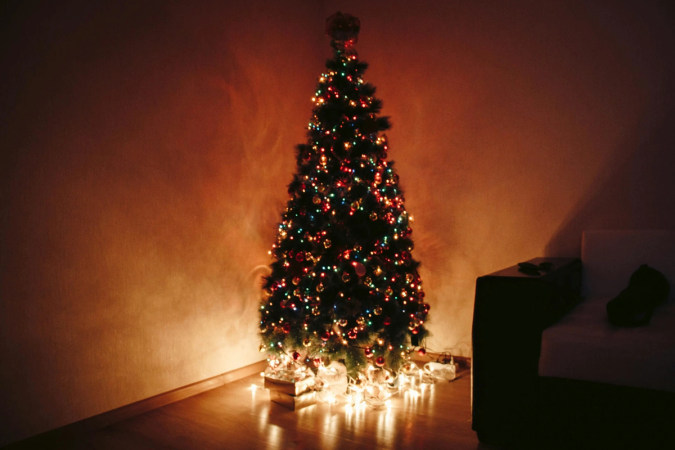
The holiday season is a time for joy, family, and festive decorations. However, beneath the twinkling lights and tinsel lies a significant hidden danger: the risk of a christmas tree fire. While these incidents are relatively rare, when they do occur, they are exceptionally fast-moving and destructive. A small spark can lead to a house burned down in a matter of minutes, leaving families devastated and in desperate need of professional fire damage restoration services.
The Reality of Christmas Tree Fire Hazards
According to the National Fire Protection Association (NFPA), christmas tree fires cause millions of dollars in property damage annually. Because real trees are organic material, they become highly flammable as they dry out. When combined with electrical heat sources or open flames, the result can be catastrophic. Understanding how to mitigate these risks is the first step in ensuring your holiday remains a happy one, rather than a scenario requiring emergency fire damage restoration.
Choosing the Right Tree
Prevention starts at the lot. If you are purchasing a real tree, look for signs of freshness. A fresh tree is less likely to ignite. Check for:
- Vibrant green needles that do not fall off when touched.
- A trunk that is sticky with resin.
- Branches that are flexible rather than brittle.
If you prefer an artificial tree, ensure it is labeled as 'Fire Retardant.' While this doesn't make the tree fireproof, it does mean it will resist burning and should extinguish quickly if a christmas tree fire begins.
Placement and Maintenance: Keeping the Spark Away
Where you place your tree is just as important as the tree itself. To avoid the tragedy of a house fire, follow these placement guidelines:
1. Distance from Heat Sources
Keep your tree at least three feet away from any heat source. This includes fireplaces, radiators, space heaters, candles, and heat vents. Nearly one-fifth of christmas tree fires are started by decorative lights or heaters being too close to the tree.
2. Hydration is Key
A dry tree is a tinderbox. Once you bring your tree home, cut about two inches off the base of the trunk to allow for better water absorption. Check the water level daily. A well-watered tree is significantly harder to ignite, reducing the likelihood that you will ever need to call for fire damage restoration.
Electrical Safety and Lighting
Faulty lighting is a primary cause of a christmas tree fire. To protect your home, always inspect your lights before hanging them. Look for frayed wires, broken bulbs, or loose connections. If you notice any damage, discard the strand immediately.
- Use LED Lights: LED lights produce much less heat than traditional incandescent bulbs and are far safer for indoor trees.
- Don't Overload Outlets: Avoid plugging too many power strips or strands into a single outlet.
- Turn Off at Night: Always turn off tree lights before going to bed or leaving the house.
What to Do if a Fire Occurs
Despite our best efforts, accidents happen. If a fire starts, your priority is the safety of your family. Evacuate the home immediately and call 911. Do not attempt to fight a large fire yourself. Once the fire department has cleared the scene, the long process of recovery begins. Seeing your house burned down or severely damaged is a traumatic experience, but you don't have to face it alone.
Professional fire damage restoration involves more than just cleaning up soot. It requires specialized equipment to remove smoke odors, structural stabilization, and often water restoration to handle the damage caused by firefighting efforts. At Serenity Restoration, we specialize in helping homeowners navigate these difficult times, providing comprehensive fire damage restoration to return your home to its pre-loss condition.
Post-Holiday Disposal
The risk of a christmas tree fire increases the longer the tree stays in your home. Once Christmas is over, or when the tree starts dropping needles excessively, it is time to dispose of it. Do not leave dried-out trees in the house or leaning against the garage. Most communities have recycling programs specifically for holiday trees.
Conclusion: A Safe Season for All
By following these essential safety tips, you can significantly reduce the risk of a christmas tree fire. Remember that moisture, distance from heat, and electrical safety are your best defenses against a house fire disaster. If you ever find yourself facing the aftermath of a fire, remember that expert fire damage restoration is available to help you rebuild. Stay safe, stay vigilant, and enjoy a peaceful holiday season.